

The Role of Haptic Feedback in Next-Generation Human-Computer Interaction
Haptic feedback refers to technology that simulates the sense of touch through vibrations, forces, or motions delivered by electronic devices. In human-computer interaction, this technology allows users to physically feel digital actions, creating a more immersive and responsive experience. Traditional computing interfaces rely primarily on visual and auditory cues, but haptic systems introduce a tactile dimension that enhances communication between humans and machines. By translating digital signals into physical sensations, haptic feedback helps users better understand system responses, improving accuracy and usability. As devices become more sophisticated, the integration of touch-based feedback is shaping the development of intuitive and interactive digital environments.
Enhancing User Engagement and Immersion

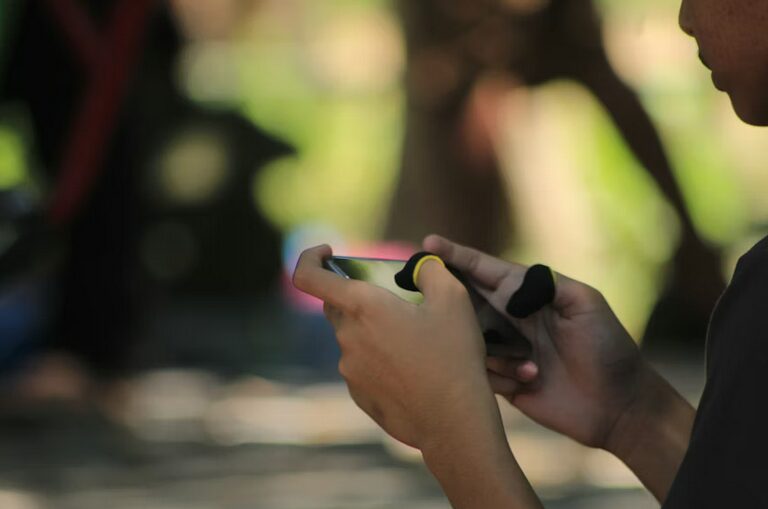
Haptic feedback significantly enhances engagement by making digital interactions feel more realistic and responsive. When users receive tactile confirmation of actions such as pressing virtual buttons or manipulating objects in digital spaces, the experience becomes more immersive. This added layer of sensory input strengthens the connection between user actions and system responses, creating a more natural interface. In applications such as virtual reality, gaming, and mobile devices, haptic feedback reinforces visual cues and supports spatial awareness. The result is a more dynamic interaction where users can intuitively interpret feedback without relying solely on screens or sound.
Improving Precision and Accessibility
Another important role of haptic feedback in human-computer interaction is improving precision and accessibility. Tactile signals can guide users during complex tasks, helping them adjust movements or confirm inputs with greater accuracy. For individuals with visual impairments, haptic interfaces provide valuable sensory information that can supplement or replace visual feedback. Vibrational cues or force responses can indicate boundaries, alerts, or system states, allowing users to interact more effectively with digital devices. By expanding how information is communicated through touch, haptic feedback contributes to inclusive design and more versatile user experiences.
Applications in Emerging Technologies
Next-generation technologies are increasingly incorporating haptic systems to enhance functionality and realism. In virtual and augmented reality environments, haptic gloves and controllers allow users to feel textures, resistance, and movement within simulated spaces. Robotics and remote operation systems also benefit from tactile feedback, enabling operators to sense pressure or object contact during manipulation tasks. In medical training and simulation, haptic interfaces enable practitioners to experience realistic tactile sensations while practicing procedures. These applications demonstrate how haptic technology can bridge the gap between digital interaction and physical experience, making advanced systems more intuitive and effective.
Challenges in Developing Advanced Haptic Systems
Despite its potential, developing advanced haptic feedback systems presents technical challenges. Achieving precise and realistic tactile sensations requires sophisticated hardware and software integration. Devices must replicate complex physical properties such as texture, weight, and resistance, which can be difficult to simulate accurately. Power consumption, device size, and cost are also factors that influence the widespread adoption of haptic technologies. Researchers and engineers continue to explore new materials, actuator designs, and algorithms to improve realism and efficiency. Overcoming these challenges is essential for expanding the capabilities of haptic interfaces in future computing systems.
Haptic feedback is playing a vital role in shaping next-generation human-computer interaction by introducing the sense of touch into digital environments. By enhancing engagement, improving accessibility, and integrating with emerging technologies, haptic systems create more natural and responsive interactions between users and devices. While technical challenges remain, ongoing research continues to refine the realism and practicality of tactile interfaces. As digital experiences become increasingly immersive, haptic feedback will remain a key component in bridging the gap between physical sensation and virtual interaction.
…